

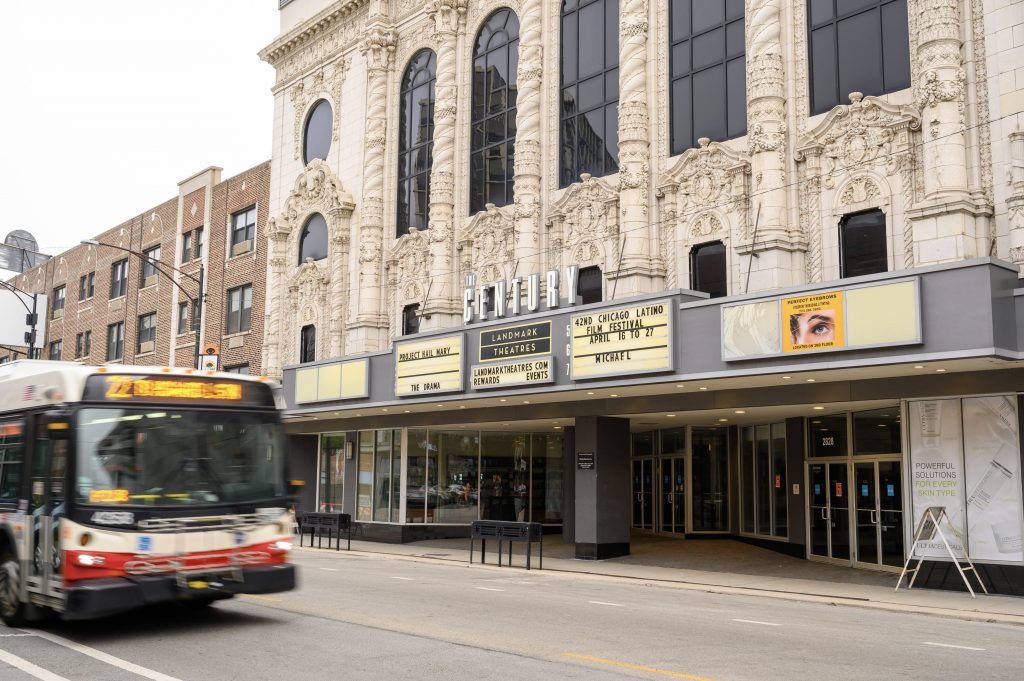
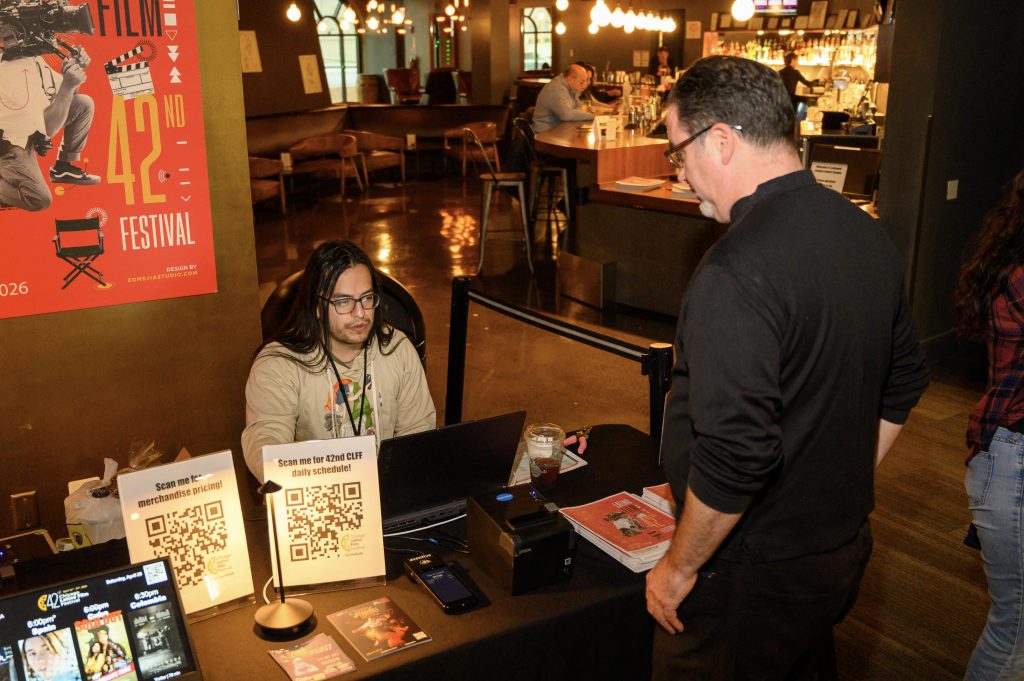
The 42nd Chicago Latino Film Festival wrapped its twelve-day run at the Landmark Century Centre Cinemas on April 27, 2026, and the numbers tell a story that goes beyond sold-out screenings and enthusiastic audiences. This year’s festival wasn’t just a return to form—it was a resounding affirmation that Latino cinema has claimed its rightful place in our communal discourse.
Breaking Records, Building Community
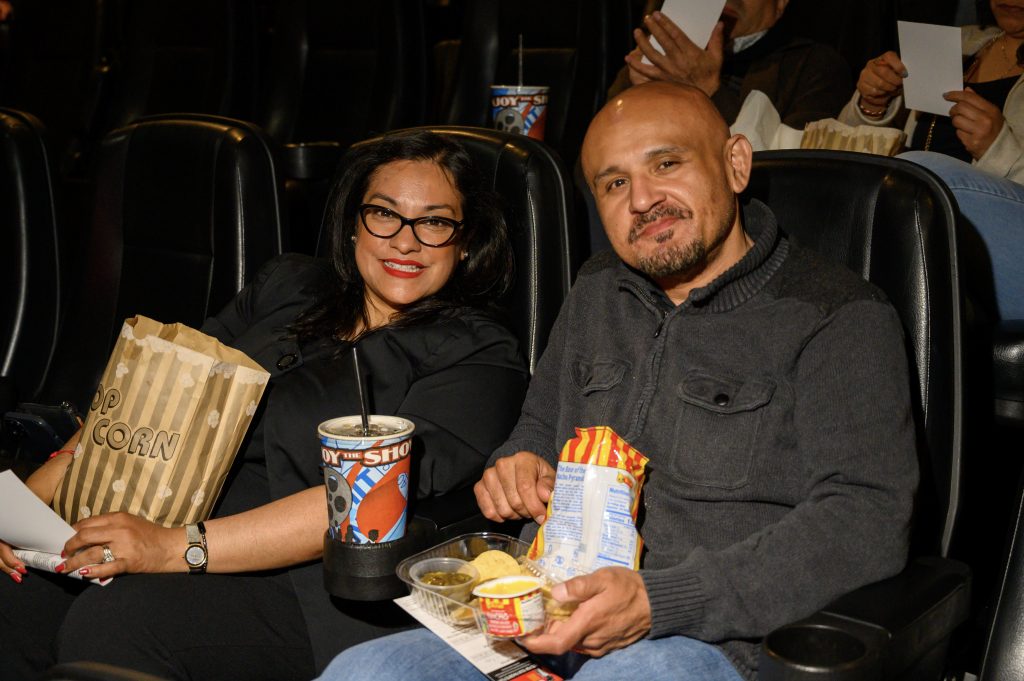
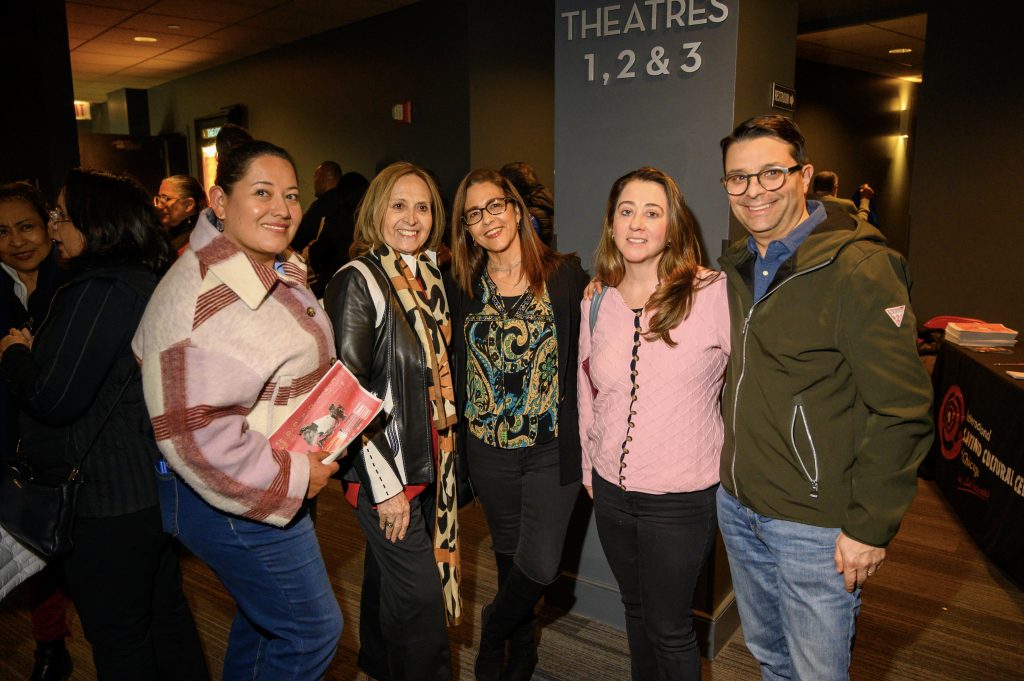
Building on the momentum of the 41st edition, which saw a remarkable 44% increase in sales and attendance over the previous year with 32 out of 100 screenings sold out or nearly sold out, the 42nd festival continued this upward trajectory. The festival’s decision to reimagine its format proved transformative. By moving away from the traditional gala model and bringing Opening and Closing Night celebrations directly to the cinema itself, the International Latino Cultural Center of Chicago created something more powerful than spectacle: accessibility.
The restructured events—featuring pre-screening receptions with hors d’oeuvres, cash bars, and direct filmmaker engagement—replaced the elaborate productions of years past. Perhaps most significantly, ticket prices dropped from $75 to $35 for these special events, opening the doors to a broader audience. The result? Both Opening and Closing Night sold out, drawing audiences hungry to experience Latino storytelling on the big screen.
A New Model for Cultural Celebration
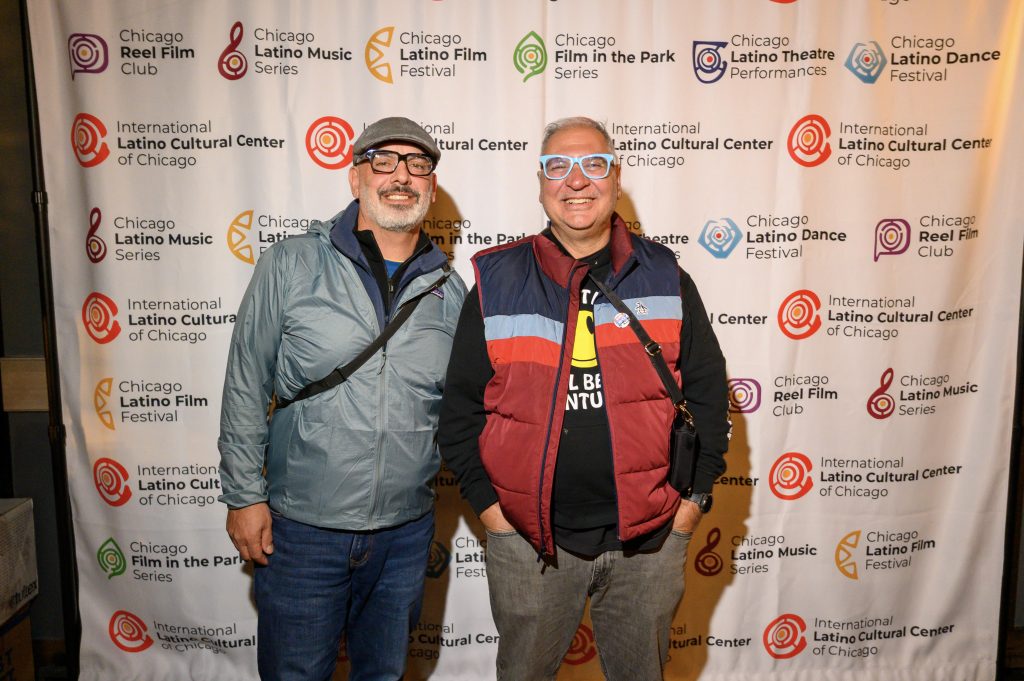
“The primary focus remains where it belongs: on the films and the stories they tell,” said Pepe Vargas, Executive Director of the International Latino Cultural Center of Chicago and the festival’s founder. In an era when cultural events often compete through ever-more-elaborate productions, the 42nd edition went in the opposite direction. Strip it back. Cut the noise. Let the films do the talking.
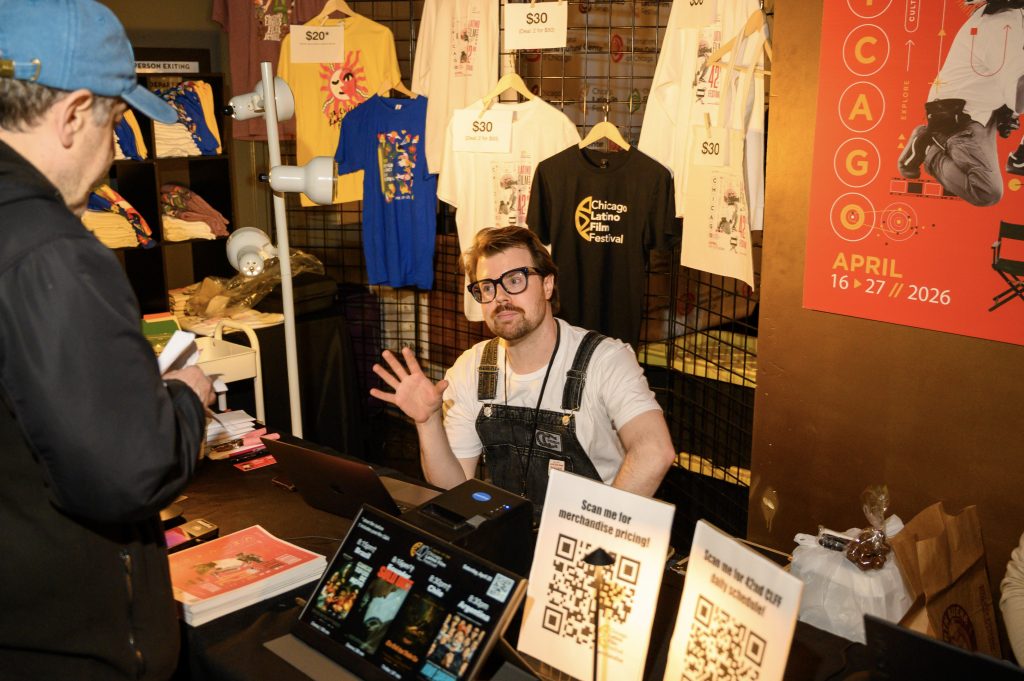
This wasn’t a retreat—it was a realignment. The intimate setting at the Landmark Century Centre created a unique mingling experience that brought filmmakers and audiences together in ways the previous gala format never could. The festival proved that accessibility and excellence aren’t competing values; they’re complementary ones.
Films That Command the World’s Attention
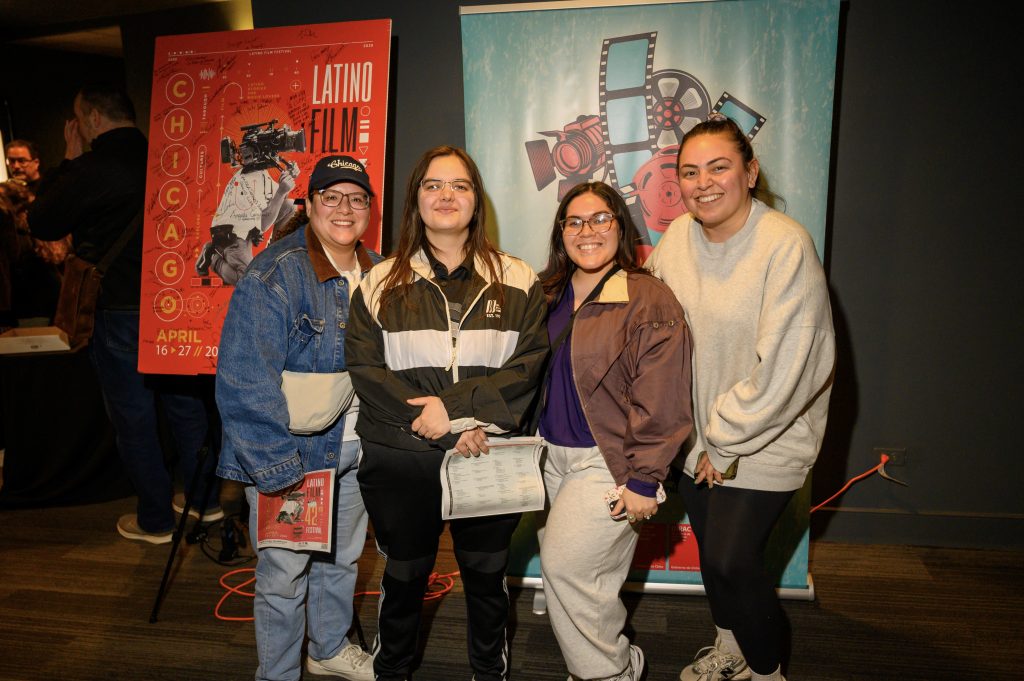
The festival’s lineup of 82 films spanning 22 countries from Latin America, the Caribbean, Spain, Portugal, and the United States demonstrated the extraordinary range and quality of contemporary Latino cinema. Among the standout selections, several films arrived in Chicago fresh from prestigious international recognition:
Under the Flags, the Sun (Bajo las banderas, el sol), the feature documentary debut by Paraguayan filmmaker Juanjo Pereira, screened at the festival following its FIPRESCI Critics’ Prize win at the 75th Berlin International Film Festival. This painstakingly edited documentary reconstructs the rise and fall of Alfredo Stroessner’s 35-year dictatorship in Paraguay through recovered archival footage, revealing how media shaped power and manipulated memory. The film has been recognized across major international festivals and represents the caliber of work that the Chicago Latino Film Festival brings to its audiences.



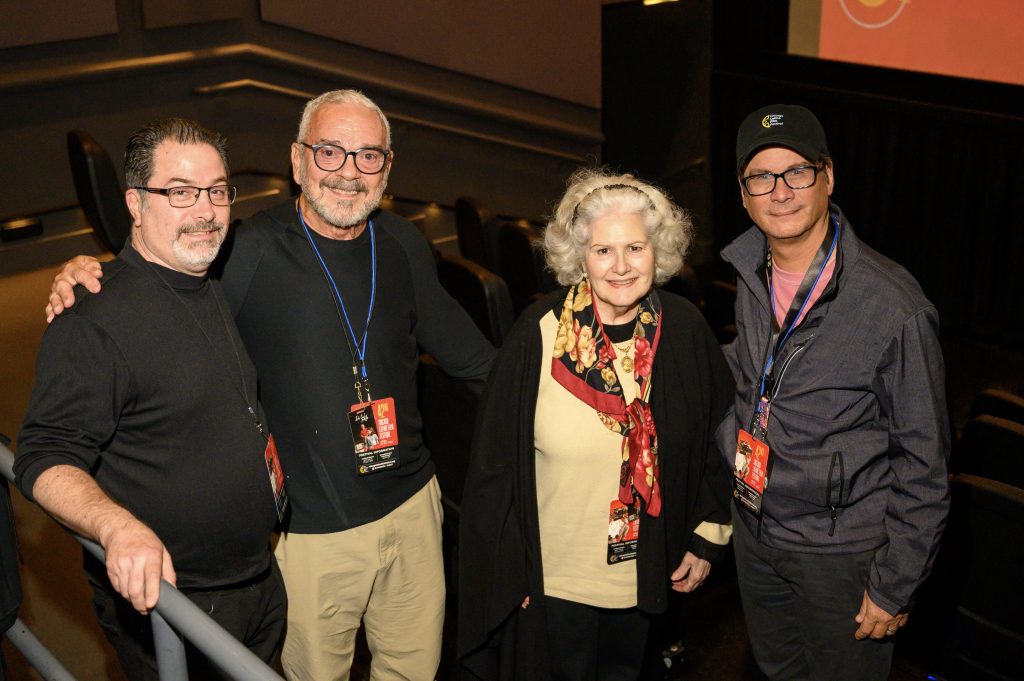
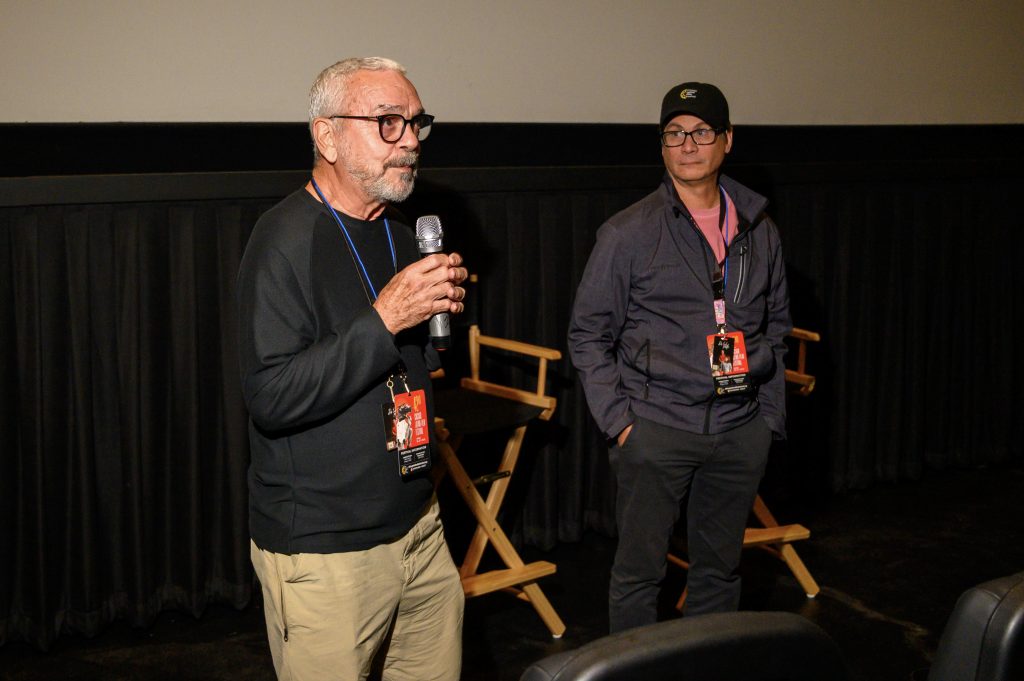
The festival opened with It Would Be Night in Caracas (Aún es de Noche en Caracas), a dystopian vision of modern Venezuela by celebrated directors Mariana Rondón and Marité Ugás. On April 17 and 18, the same filmmaking partnership presented Zafari, a surrealist slow-burn set in a depopulated Latin American city—two films, two nights, showcasing one of the most vital collaborations working in Latin American cinema today.
The Closing Night selection, Ecuadorian filmmaker Pablo Arturo Suárez’s latest work, capped the festival with characteristic gentleness and honesty, reminding audiences why the festival has become a cultural institution over its four decades of existence.
Why This Matters Now
In a time when Latino voices and stories face challenges on multiple fronts, the record attendance at the 42nd Chicago Latino Film Festival sends an unmistakable message: there is a hunger for these narratives. The arts—particularly film arts made by Latinos—are not peripheral to our cultural conversation. They are essential to it.
From its humble beginning in 1985, when 14 films were projected onto a concrete wall for an audience of 500, the festival has grown into the longest-running Latino film festival in North America. What founder Pepe Vargas built over four decades is more than an annual event—it’s a cultural institution that has introduced tens of thousands of Chicagoans to the stories and visions of Latino filmmakers from around the world.
The festival serves as a weapon against stereotypes, offering audiences the opportunity to see Latino experiences through the eyes of those who live them. It’s a platform where debut filmmakers screen alongside internationally recognized artists, where documentary sits beside fiction, where the experimental converges with the traditional. The 2,000 students who attended the Student Outreach Screenings during the 41st edition represent the next generation engaging with these stories, connecting with their cultural heritage, and envisioning careers in the arts.
Looking Forward
The success of the 42nd Chicago Latino Film Festival—its sold-out screenings, its streamlined format, its world-class lineup—proves that when you remove barriers and center the work itself, audiences respond. The festival’s evolution from elaborate galas to accessible celebrations represents a democratization of culture that serves the community without sacrificing quality.
As the festival looks toward its 43rd edition in April 2027, the foundation is stronger than ever. The films will continue to come from across the Spanish and Portuguese-speaking world. The filmmakers will continue to arrive in Chicago to share their visions. And the audiences—growing, diverse, passionate—will continue to fill the seats, proving that Latino cinema isn’t a niche market or a specialty interest. It’s world cinema. And it has a home in Chicago.
For twelve days in April, the Landmark Century Centre became more than a movie theater. It became a gathering place, a cultural bridge, a statement of purpose. The 42nd Chicago Latino Film Festival demonstrated that the arts made by Latinos don’t just have a place in our communal discourse—they’re shaping it, challenging it, and enriching it in ways that only cinema can.
The 43rd Chicago Latino Film Festival is scheduled for April 2027. For more information about upcoming screenings, educational programs, and the International Latino Cultural Center of Chicago’s year-round cultural programming, visit chicagolatinofilmfestival.org.